Things that need to be carefully planned
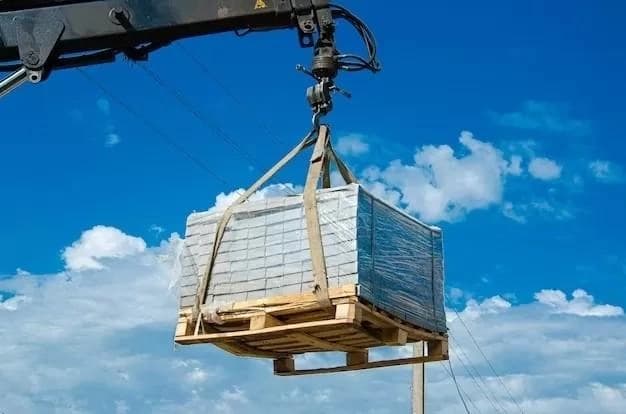
Relocating industrial machinery is far more than just moving a large item from one location to another. It is a complex process that requires specialized expertise in areas such as engineering, detailed planning, risk assessment, and strict adherence to safety procedures. Each step must be carefully executed to prevent damage to the machinery and to ensure the safety of all personnel involved.
1. Pre-Move Preparation
Before beginning the relocation of machinery, thorough preparation is essential. This starts with a site survey at both the origin and destination to ensure the route can accommodate the move. It is important to identify any spatial or structural limitations, such as low ceilings, ramps, or narrow doorways. Next, gather critical information about the machinery, including its dimensions, weight, brand, model, electrical and piping systems, as well as any fragile points. This data is vital for planning a safe move, which in some cases may require disassembling the equipment or transporting it in parts. Finally, develop a step-by-step plan covering disassembly, assembly, transportation, equipment selection, and clearly assign responsibilities for each phase.
2. Transportation and Inspection
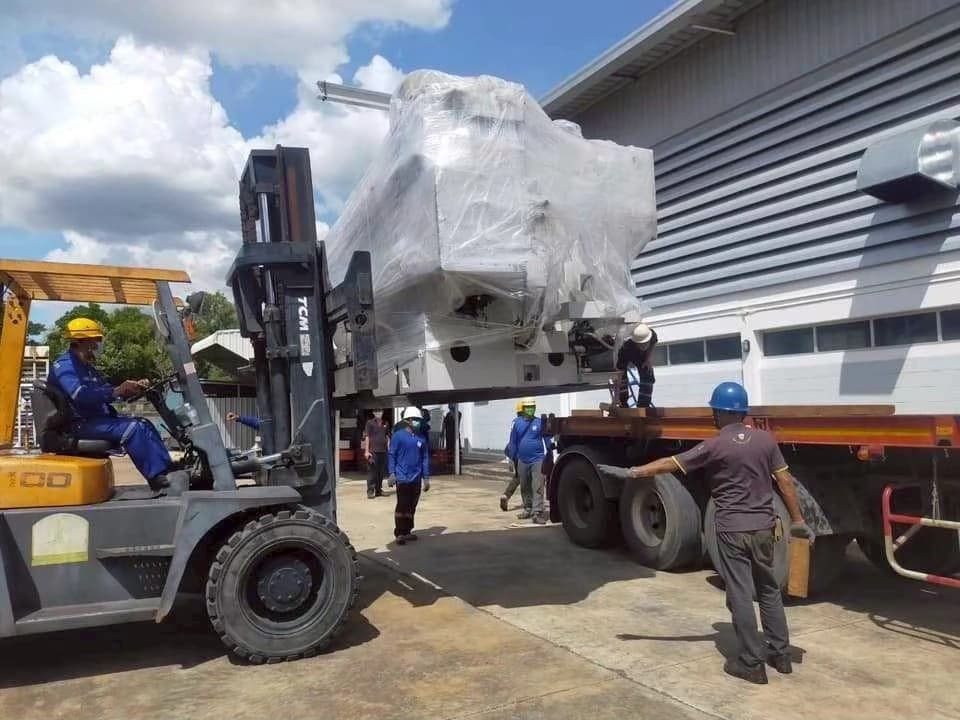
During the actual relocation process, special attention must be given to protective packaging to prevent damage, especially in areas vulnerable to impact or scratches. Necessary components should be disassembled for convenience and safety. Selecting the appropriate equipment is also crucial; heavy machinery may require cranes, hydraulic jacks, or specialized forklifts, all operated by skilled professionals. Once the machinery has been transported to its destination, a thorough inspection must be conducted to ensure there is no damage before installation and operation begin.
3. Safety and Legal Compliance
Machinery relocation must be conducted under strict safety standards. Operators are required to wear personal protective equipment (PPE) such as helmets, gloves, and safety boots at all times during the operation. Additionally, comprehensive insurance coverage should be arranged to mitigate risks arising from accidents or potential damage to the machinery. If large transport vehicles are used, or if the machinery exceeds standard size limits, it is essential to ensure that all necessary transport permits are obtained and that warning signs or lights are installed in accordance with legal regulations.
4. Choosing a Machinery Moving Service Provider
Selecting a service provider with direct experience in machinery relocation significantly reduces risks and increases confidence in the process. Such companies typically have expert teams, specialized equipment, precise planning systems, and the ability to professionally manage unexpected challenges. Remember, effective communication with the service provider is crucial. Be sure to provide comprehensive information about the machinery, including dimensions, weight, fragile points, safe lifting spots, as well as conditions at both the origin and destination sites. This enables proper planning and a smooth relocation.
Summary
Machinery relocation is a task that requires careful attention to advance planning, safety, and the expertise of the team involved. Whether it's moving equipment within a factory, between sites, or over long distances, proper execution can prevent damage, reduce costs, and ensure your operations continue smoothly without interruption.